- rishavkrishna7@gmail.com
- 62A, DDA Flats, Pocket 2, Sector 6, Dwarka, Delhi, 110075
- Call us on : +91 8448 159 669
Call us on : +91 8448 159 669

Robotics Surgery
What is Robotics Surgery?
Robotic Surgery in Orthopedics uses advanced computer-assisted technology to perform joint replacement procedures with high precision. It is commonly used in knee, hip, and spine surgeries for accurate implant placement and better surgical outcomes.
Benefits include smaller incisions, less pain, faster recovery, and improved joint function. Robotic-assisted surgery is ideal for patients seeking safer, more personalized treatment for chronic joint issues.

Understanding Robotics Surgery
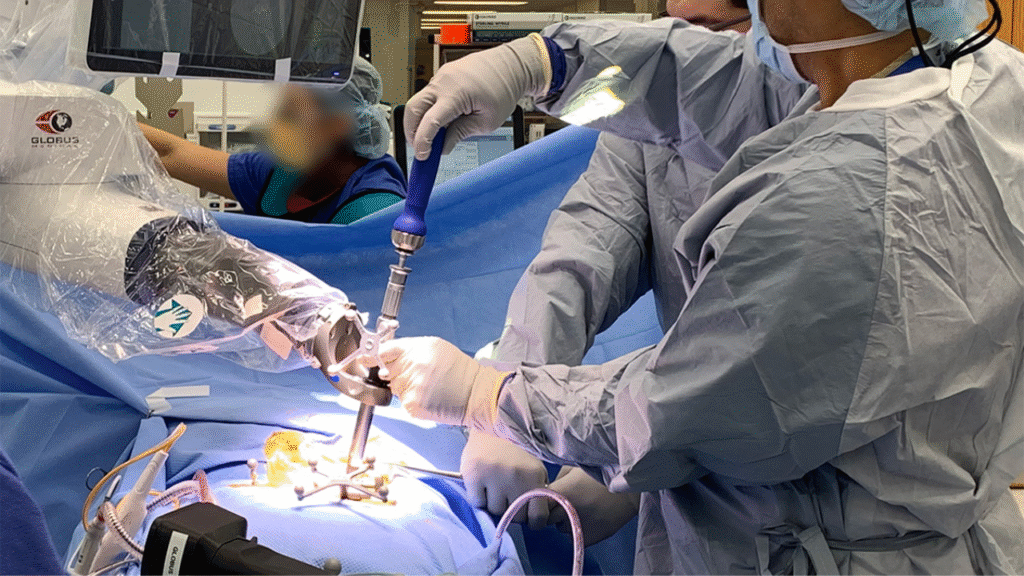
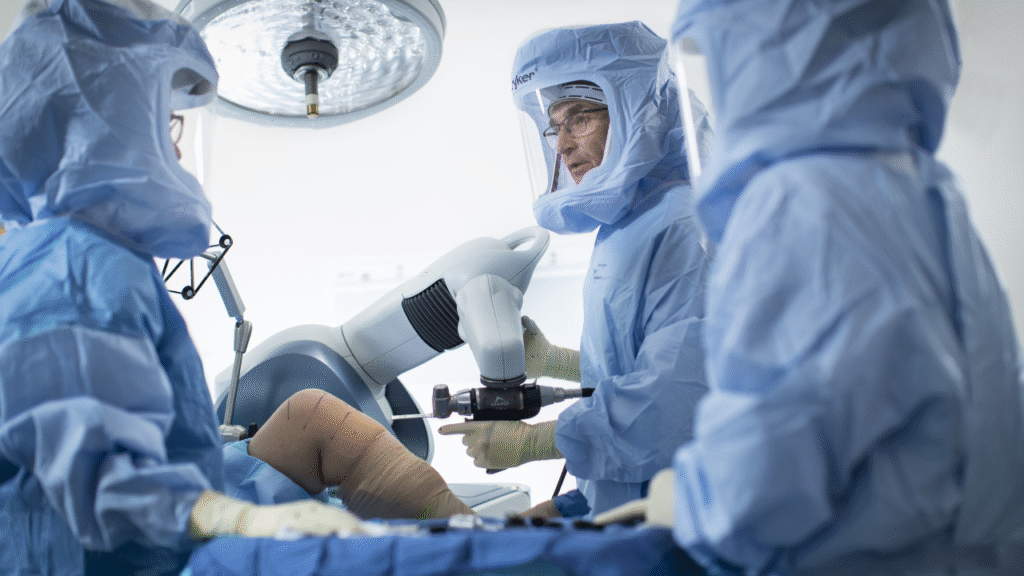
Robotic Surgery in Orthopedics represents a major advancement in joint care and surgical precision. This cutting-edge technique combines the expertise of skilled surgeons with the accuracy of computer-assisted robotic systems to perform complex orthopedic procedures such as knee replacement, hip replacement, and spine surgery with unmatched precision and control.
Unlike traditional methods, robotics-assisted surgery allows surgeons to pre-plan each case using 3D imaging and perform procedures with sub-millimeter accuracy. The robotic arm provides real-time feedback and guidance, ensuring the ideal alignment and positioning of implants based on the patient’s unique anatomy. This results in more natural joint movement, reduced risk of complications, and improved long-term outcomes.
Key Benefits of Robotic Orthopedic Surgery
- Enhanced Surgical Precision: Robotic systems help ensure optimal bone cuts and implant placement, minimizing human error.
- Minimally Invasive Techniques: Smaller incisions mean less bleeding, reduced tissue damage, and quicker healing.
Faster Recovery: Most patients begin walking within 24 to 48 hours and resume light activities within a few weeks.
Reduced Pain and Complications: Less trauma to surrounding tissues leads to a more comfortable post-operative experience.
Improved Implant Longevity: Properly aligned and balanced implants tend to last longer and perform better over time.
Common Procedures Performed with Robotics Assistance
Total Knee Replacement (TKR)
Partial Knee Replacement (PKR)
Total Hip Replacement (THR)
Spine Surgery (such as spinal fusion or decompression procedures)
Robotic surgery is especially helpful for patients with complex joint deformities, revision surgeries, or those seeking a quicker return to daily life. By providing consistent, reproducible results and better implant fitting, it reduces the chances of early implant failure and the need for corrective surgery later.
What to Expect
The procedure is performed under general or regional anesthesia. Using a robotic system, the surgeon maps your joint in 3D, customizes the surgical plan, and executes it with precision. Patients often experience significantly less post-surgical pain and require fewer pain medications. Recovery protocols typically involve early mobilization, guided physical therapy, and a return to normal activities within 6 to 12 weeks, depending on the procedure and individual health factors.

Meet
Dr. Rishav Krishna - MBBS, MS (Orthopedics) – Delhi
MBBS, MS(Ortho.)
With over 12+ years of specialized surgical experience and 3,000+ successful orthopedic procedures, Dr. Rishav Krishna is a trusted name in joint replacement and spine surgery. Known for clinical precision, modern techniques, and patient-first care, Dr. Krishna blends compassionate treatment with advanced orthopedic innovation for exceptional outcomes.
Benefits Robotics Surgery
- Greater Surgical Precision
- Improved Joint Mobility and Alignment
- Minimally Invasive with Smaller Incisions
- Faster Recovery and Less Post-Operative Pain
- Better Long-Term Outcomes and Implant Longevity
- Better Long-Term Outcomes and Implant Longevity
What Happens During Robotic Surgery?
- 1. Pre-surgical 3D planning: A CT scan is used to create a 3D model of your joint for a personalized surgical plan.
- 2. Robotic guidance system is used during surgery to assist the surgeon in making precise bone cuts and aligning the implant.
- 3. Removal of damaged bone and cartilage from the affected joint.
- 4. Placement of prosthetic components (metal, plastic, or ceramic) with extreme precision using robotic assistance.
- 5. Real-time adjustments during the procedure for better implant fit and balance.
- 6. Minimally invasive closure and start of recovery with early physiotherapy
Frequently Asked Questions
Robotic surgery
No. The robot does not operate on its own. The surgeon is always in control, using robotic tools for enhanced precision and control throughout the procedure.
Yes. Robotic-assisted procedures are highly safe, with improved accuracy and fewer complications compared to traditional methods when performed by an experienced orthopedic surgeon.
While robotic surgery may have slightly higher upfront costs, it can offer better outcomes and reduce the chances of revision surgery, making it more cost-effective in the long run.
Unlike traditional surgery, robotic-assisted surgery uses a 3D model of your joint to guide the surgeon during the operation, ensuring more accurate implant positioning, better alignment, and personalized results.
Most patients begin walking within 24 to 48 hours, return to daily activities in 2 to 4 weeks, and experience full recovery within 3 to 6 months, depending on the joint and individual health.