- rishavkrishna7@gmail.com
- 62A, DDA Flats, Pocket 2, Sector 6, Dwarka, Delhi, 110075
- Call us on : +91 8448 159 669
Call us on : +91 8448 159 669

JOint Replacement Surgery
What is Joint Replacement Surgery?
Joint Replacement Surgery is a procedure where damaged parts of a joint—such as the hip, knee, or shoulder—are replaced with artificial implants to restore movement and relieve chronic pain. It is often recommended for patients with arthritis, joint injuries, or long-term wear and tear.
The surgery helps improve mobility, reduce stiffness, and enhance quality of life. With modern techniques, most patients recover quickly and return to daily activities within weeks.

Understanding Joint Replacement
Joint Replacement Surgery is a highly advanced orthopedic procedure used to relieve pain and restore function in joints that are severely damaged by conditions like osteoarthritis, rheumatoid arthritis, post-traumatic injuries, or degenerative diseases. It involves replacing the damaged joint surfaces with artificial implants designed to mimic natural movement and improve quality of life.
This procedure is most commonly performed on the hip, knee, and shoulder joints, which bear significant stress from daily activities. When conservative treatments such as medications, physical therapy, or injections fail to relieve chronic joint pain, joint replacement becomes a reliable and long-term solution.
Types of Joint Replacement
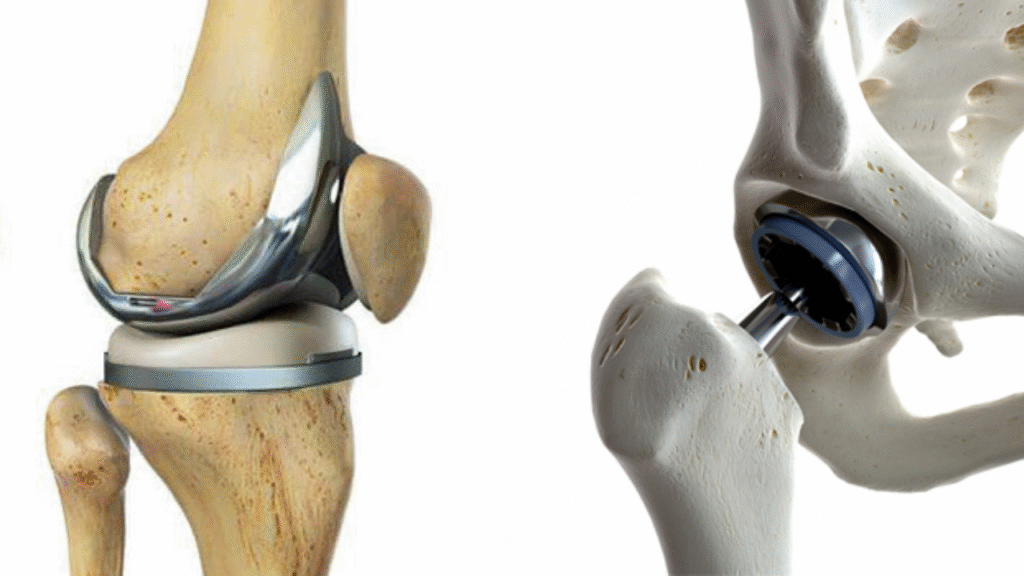
Hip Replacement (Total Hip Arthroplasty): Replaces the ball and socket of the hip with metal, ceramic, or plastic implants.
Knee Replacement: Involves resurfacing the ends of the femur and tibia to restore smooth movement and alignment.
Shoulder Replacement: Replaces the damaged head of the humerus and the glenoid socket to relieve pain and improve range of motion.
Modern techniques, including robotic-assisted surgery and minimally invasive procedures, allow for greater precision, smaller incisions, faster recovery, and better long-term results. Patients often begin walking or moving the joint within 24 to 48 hours post-surgery and typically return to regular activities within 6 to 12 weeks, depending on the joint and overall health.
Long-Term Benefits
Significant pain relief
Improved mobility and function
Better joint alignment and stability
- Implants lasting 15–25 years or more with proper care
With a high success rate and lasting outcomes, joint replacement surgery allows patients to return to walking, climbing stairs, driving, and even enjoying recreational activities that were once limited by pain. It is one of the most transformative procedures in orthopedic care, restoring independence and quality of life for millions worldwide.


Symptoms of Joint Replacement
- Chronic Joint Pain: Persistent pain in the hip, knee, or shoulder that interferes with daily tasks like walking, climbing stairs, or standing for long periods.
- Joint Stiffness: Limited flexibility and range of motion that makes bending, reaching, or moving the joint difficult.
- Mobility Issues: Trouble walking, limping, dependence on a cane or walker, or difficulty performing normal movements
- Ineffective Non-Surgical Treatments: When medications, physiotherapy, or injections fail to relieve pain or improve function.
- Sleep Disruption: Pain in the affected joint that worsens at night or prevents restful sleep
Meet
Dr. Rishav Krishna - MBBS, MS (Orthopedics) – Delhi
MBBS, MS(Ortho.)
With over 12+ years of specialized surgical experience and 3,000+ successful orthopedic procedures, Dr. Rishav Krishna is a trusted name in joint replacement and spine surgery. Known for clinical precision, modern techniques, and patient-first care, Dr. Krishna blends compassionate treatment with advanced orthopedic innovation for exceptional outcomes.
Benefits of Joint Replacement Surgery
- Pain-Free Movement
- Improved Mobility and Flexibility
- Enhanced Quality of Life
- Better Sleep and Independence
- Long-lasting Relief
What Happens During the Surgery?
Joint replacement
- 1. Removal of the damaged bone and cartilage from the affected joint (hip, knee, or shoulder)
- 2. Preparation of the surrounding bone to support the implant.
- 3. Implantation of prosthetic components, usually made of metal, ceramic, or plastic, designed to mimic natural joint function.
- 4. Precise alignment and fixation of the implant for smooth, pain-free movement.
- 5. Closure of the surgical site and post-op care planning, including physiotherapy.
Joint replacement surgery
Frequently Asked Questions
Modern joint implants typically last 15 to 25 years or more, especially with proper care, activity modification, and regular follow-up. Advances in materials and surgical techniques have significantly improved implant longevity.
The surgery is done under anesthesia, and pain management is closely monitored post-surgery to ensure comfort.
Recovery varies by joint and individual health, but most patients resume light activities within 6–12 weeks. Full recovery may take 3–6 months, depending on the joint and rehabilitation progress.
Like any surgery, there are risks such as infection, blood clots, or implant loosening. However, complications are rare, and the procedure has a high success rate when performed by an experienced orthopedic surgeon.